
Choose how the door must move before choosing the blocker
Start by finding where the air enters. Air can move around the sides, top, threshold, frame, or an adjacent opening. Use the door-draft diagnostic guide to locate the path first. For a bottom gap, choose the format that fits your routine: a loose blocker, one that travels with the door, or a permanent installation.
The current research supports three exact-product starting points:
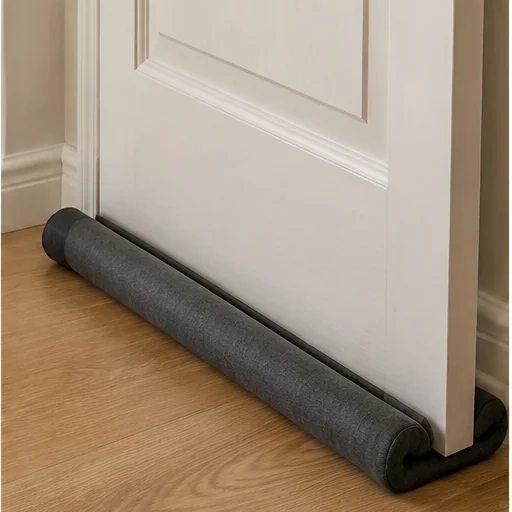
- Maxtid Under Door Draft Blocker : damage-free double-sided sleeve for a compatible interior door and floor transition.
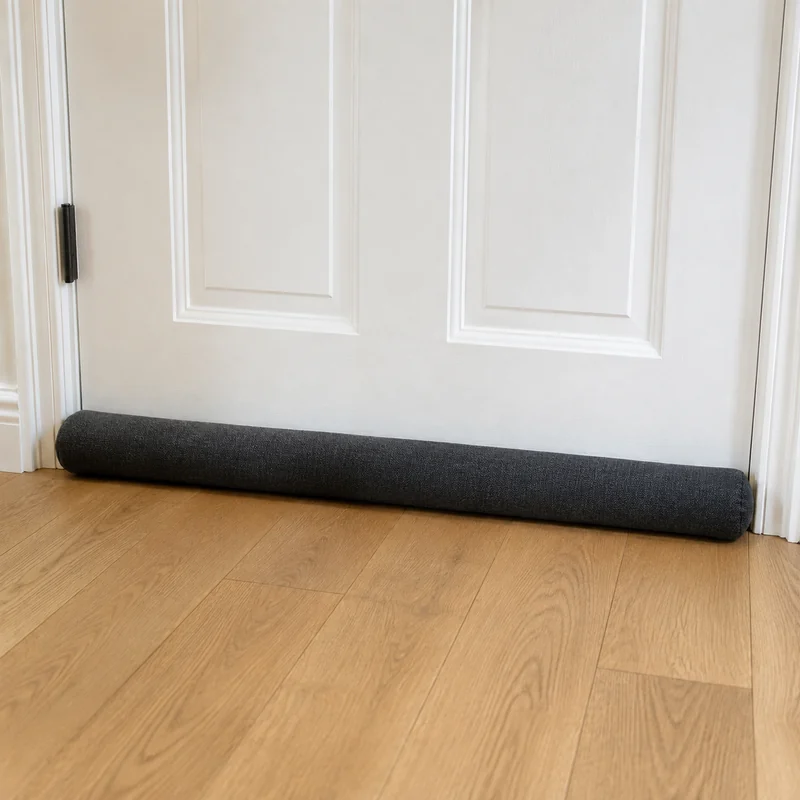
- Maxtid Adjustable Door Draft Stopper : one-sided fabric blocker for a door that should carry the blocker as it opens.
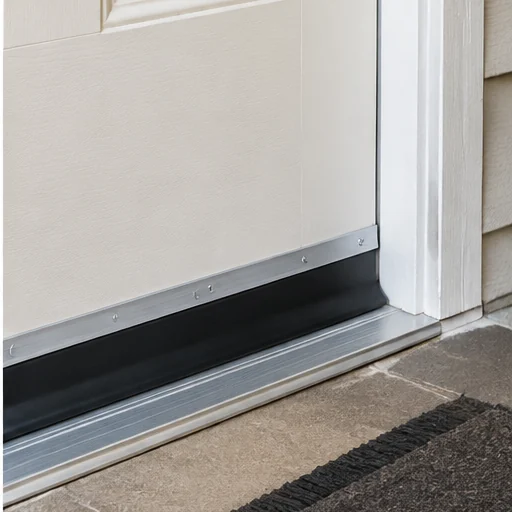
- M-D Building Products 68247 All-Season Door Sweep : screw-on sweep for an exterior-door setup that can accept cutting, drilling, and threshold contact.
Match the format to the real door job
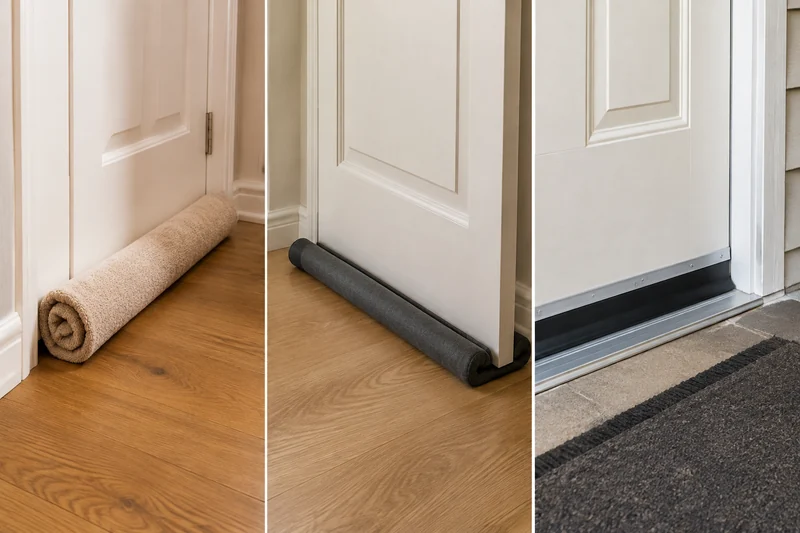
This is a routing table, not a first-to-third ranking. A towel, sleeve, attached fabric blocker, and screw-on sweep solve different movement and installation jobs.
Best before-you-buy baseline: a rolled towel
Which? compared four shop-bought draft excluders with two homemade options in a lab setup using moving air and feathers. Its old-towel setup performed best in that specific comparison.
That result is useful because it gives the purchase decision a control. Put a rolled towel against the suspected bottom gap and repeat the same tissue, comfort, or surface-temperature observation used in the diagnostic guide. If the problem does not change, stop shopping and find the actual leak path.
The towel is not frictionless. Which? notes that it must be repositioned every time the door opens. That makes it a strong diagnostic or occasional blocker, not automatically the best daily solution.
Damage-free sleeve option: Maxtid Under Door Draft Blocker
Popular Mechanics places the exact Maxtid under-door blocker in its double-sided option. The useful idea is mechanical: a soft sleeve slides under the door, so the two cylinders travel with it without adhesive or screws.
Popular Mechanics describes an editorial selection process rather than a controlled hands-on result for this exact model. The role is therefore a starting point, not a performance verdict. Measure the door thickness and the gap at several points, then simulate the sweep path over carpet, tile edges, thresholds, or uneven flooring. A sleeve that drags, bunches, or misses the gap does not fit the job.
Moves-with-door option: Maxtid Adjustable Door Draft Stopper
Bob Vila reports testing the exact Maxtid adjustable model on a drafty steel door. Its one-sided fabric cylinder is intended to stay with the door instead of being reset after every opening.
The attachment method is the deciding catch. Bob Vila found the hook-and-loop backing difficult to install and remove and cautioned about delicate, painted, or antique doors. That makes surface compatibility more important than the convenience of a blocker that moves with the door.
Installed sweep option: M-D 68247 All-Season Door Sweep
Popular Mechanics includes the exact M-D 68247 in its installed heavy-duty option. M-D Building Products documents the current screw-on aluminum-and-thermoplastic-rubber format, its cut-to-fit installation, and included screws. The model identity is also retained by the current Home Depot 68247 record.
Those sources establish the format and identity, not a guaranteed seal on the reader's door. The sweep must be cut straight, mounted at the correct height, and allowed to meet the threshold without folding excessively or preventing the door from latching. Door material, fastener location, threshold shape, and the full swing path can reject this format before purchase.
Check the fit before buying
- Confirm the moving-air path is actually under the door.
- Measure the bottom gap at the hinge side, center, and latch side.
- Measure door thickness and the clear width between stops or trim.
- Open the door fully and note every floor transition, rug edge, threshold, and tight point in the swing.
- Decide whether adhesive, hook-and-loop material, screws, or cutting are acceptable on that exact door.
- Use a rolled towel as a reversible control before choosing a product format.
Reject any option that cannot clear the swing, match the measured gap, or meet the permitted installation method. This check cannot establish long-term adhesive life, compression set, noise reduction, durability, or seasonal performance.
Why the current lists disagree
Bob Vila's hands-on panel emphasizes measured room response, candle movement, door operation, and drop durability. Which? compares broad formats in a lab and finds that a homemade towel can beat store-bought options in its setup. Popular Mechanics organizes editorial selections around fit, floor, gap, and installation needs.
Those methods answer different questions. The responsible synthesis is not a universal winner; it is a sequence: locate the leak, choose how the door must move, reject incompatible installation methods, and only then compare exact products within that option.
Match the blocker to how the door moves
Start with the towel because it can disprove the purchase. Choose a slide-on sleeve when the interior door and floor geometry support damage-free movement. Choose an attached fabric blocker when it must move with the door and the surface can accept the attachment. Choose a screw-on sweep only when the door, threshold, and installation plan all fit.
If a bottom blocker does not change the observed draft, return to the leak-finding guide instead of buying a different version of the same wrong solution.
If that diagnostic moves the job to the top or sides, use the weatherstripping fit guide to separate kerf, V-strip, foam, adjustable seals, and alignment problems.