
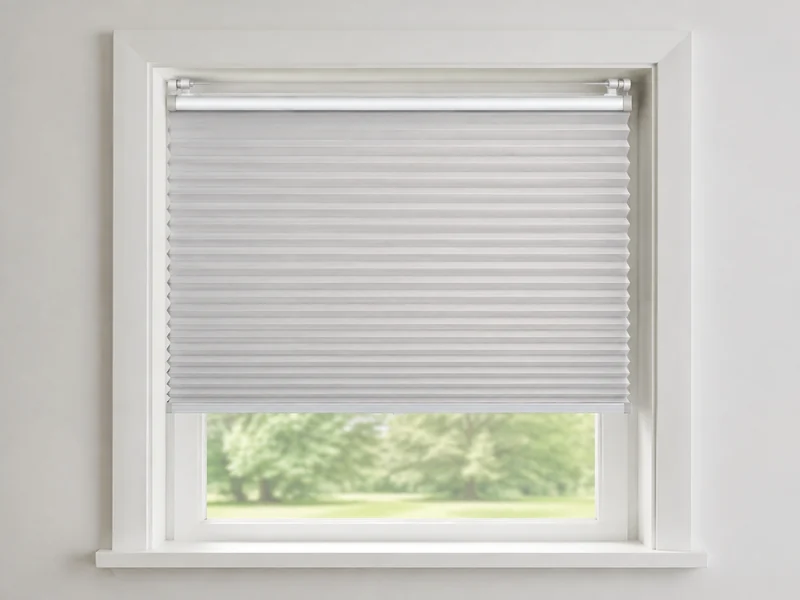
Reusable shade without drilling
LazBlinds No Drill Cordless Cellular Shade
Compatible inside recesses where ordinary side gaps are acceptable.
Problem-first topic hub
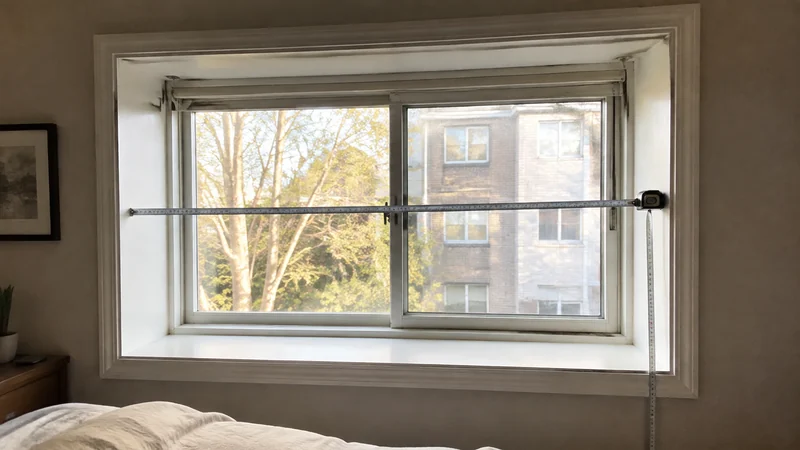
Measure the recess, compare temporary, pressure-fit, and tracked formats, then diagnose edge light before replacing dark fabric.
Recommended order
Exact-product research
Use the guides to define the job first, then compare these source-supported product roles.
As an Amazon Associate I earn from qualifying purchases.
Reusable shade without drilling
Compatible inside recesses where ordinary side gaps are acceptable.
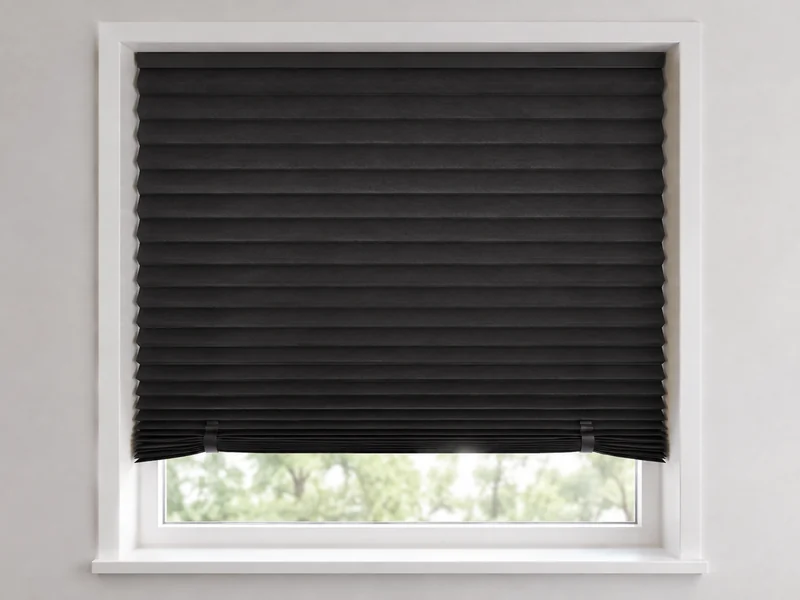
Temporary window coverage
Compatible flat surfaces where a permanent mount is unsuitable.
Available now
3 answers
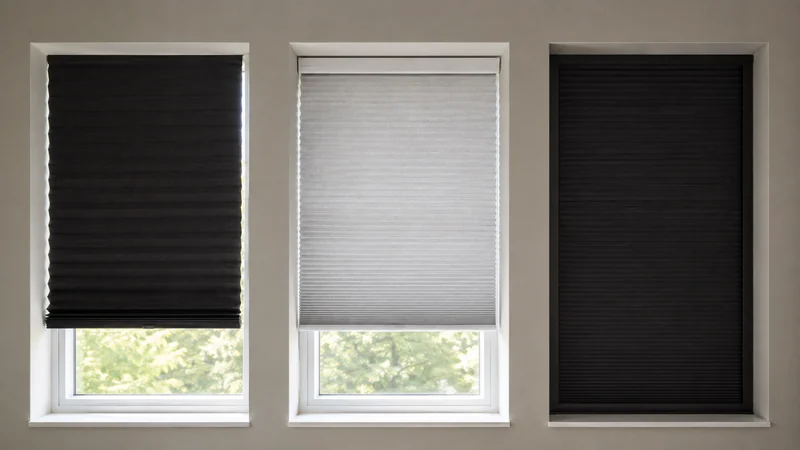
Compare trim-and-stick paper, pressure-fit cellular, and tracked blackout systems by depth, surface, edge light, removal, and daily use.
Record recess depth, width changes, height, diagonals, hardware, and attachment limits before choosing a no-drill blackout shade.
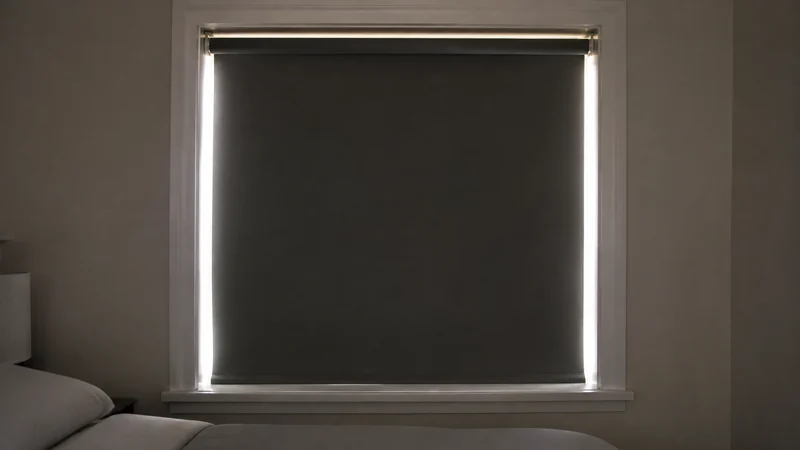
Separate light through the shade from light around the sides, headrail, sill, seams, or window hardware before replacing a blackout treatment.