
Define the mess before choosing the vacuum
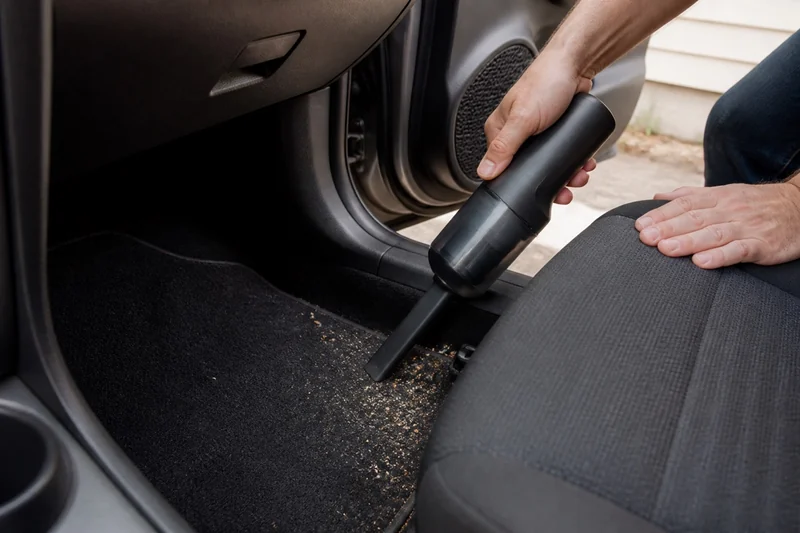
The search for the best cordless car vacuum often treats crumbs, sand, pet hair, and tight seat gaps as one job. They are not. A tiny handheld can be convenient for dry crumbs but frustrating with cereal-size debris. A hose can reach under a seat while giving up suction. A stronger motorized tool can pull hair from upholstery but take more room and deliver only a short maximum-power session.
Start with the failure you want to fix. Then choose the smallest tool that clears that failure without creating a new storage, charging, or emptying problem.
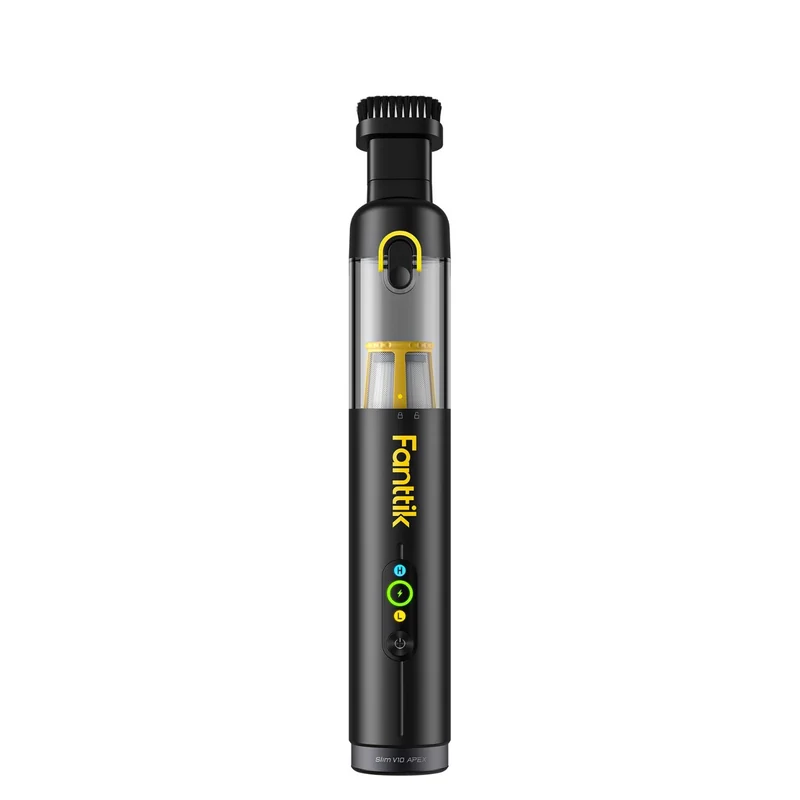
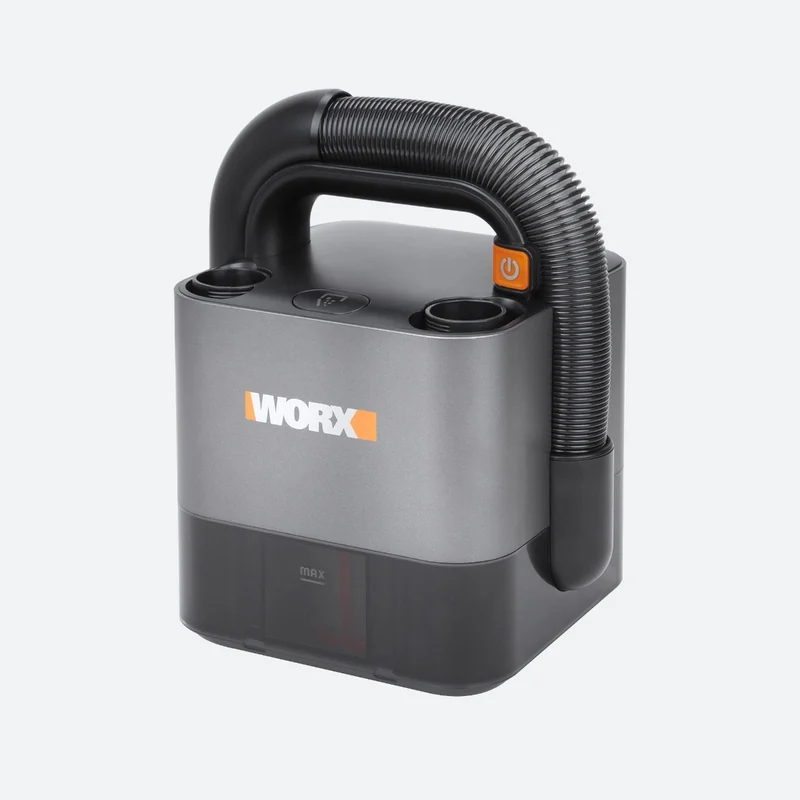
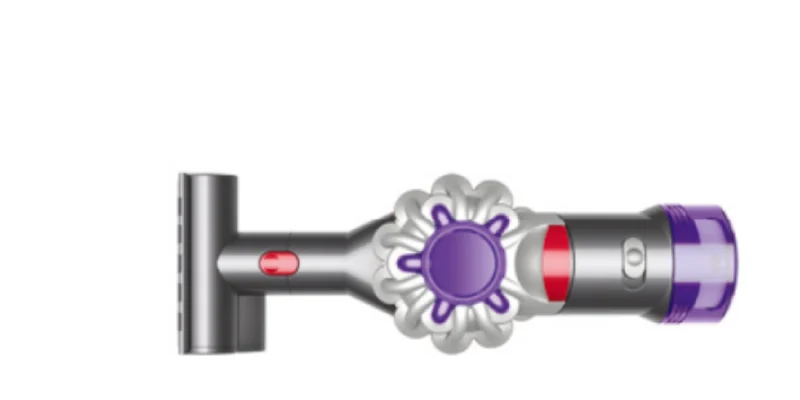
Product identity sources: Fanttik's V10 APEX page, WORX's WX030L page, and Dyson's Car+Boat specification sheet. The images identify the exact products. They do not show Digital Derek ownership, use, pickup results, runtime, or durability testing.
Choose by the car-cleaning job
The table is a routing tool, not a first-to-third ranking. Current publishers used different product pools, surfaces, debris loads, and scoring systems, so their winners cannot be added together as if they were votes from one test.
Best compact cordless car-vacuum research lead
Car and Driver selected the exact Fanttik Slim V10 APEX overall after measuring suction, noise, weight, maximum-mode runtime, emptying, and pickup of sand, crushed cereal, and pet hair. MotorTrend independently placed the same exact model in its compact or lower-cost role.
That cross-source placement makes Fanttik the best current quick-clean research lead in this panel. It does not make it the right machine for every car. Car and Driver reported a small bin, filter clogging, and difficulty with Cheerios-size and larger debris. If snack pieces, leaves, or gravel are the real problem, test the nozzle opening and emptying workflow before treating compact size as an advantage.
Best cordless car vacuum for tight gaps and onboard storage
The WORX WX030L Cube Vac solves a different problem. Instead of putting the entire vacuum body near the mess, it keeps a flexible hose and tools in a self-contained cube. Car and Driver selected its design role, while WIRED separately favored the car-specific hose-and-storage format.
The tradeoff is power and interruption risk. Car and Driver measured less suction than stronger options, a short maximum-mode runtime, and a clog at the debris release. Check the exact offer carefully: the verified Amazon ASIN is the `WX030L` kit with battery and charger, while WORX's direct page currently defaults to `WX030L.9`, the tool-only version. Those configurations should never share a contents or price claim.
Best premium option for pet hair and embedded debris
The Dyson Car+Boat occupies the power and motorized-tool option. Car and Driver selected it as most powerful in its current test, and MotorTrend separately selected it overall in a mixed-format field. Its motorized mini tool is the meaningful difference for hair and debris attached to upholstery—not the premium label by itself.
The catch is maximum-power endurance and bulk. Both publisher tests reported less than seven minutes on maximum mode. That can be enough for a focused mat or seat, but not necessarily a whole vehicle. The larger body can also be awkward in narrow console gaps, so pair it with the actual cleaning route instead of assuming stronger suction solves access.
Why current “best car vacuum” lists disagree
| Source | What it tested | Useful contribution | Why the winner does not transfer automatically |
|---|---|---|---|
| Car and Driver | Maximum-mode noise, suction, weight, runtime, emptying, and pickup from loaded vehicle mats | Direct comparable catches for Fanttik, WORX, and Dyson | Its pool and maximum-mode emphasis do not represent every vehicle or lower-power workflow |
| MotorTrend | Ten handheld, stick, battery shop-vac, and corded formats with measured performance and usability | Supports Dyson's performance role and Fanttik's compact role | Mixed formats solve different jobs and cannot be merged numerically with another publisher |
| RTINGS | Standardized surface, pickup, feature, and battery testing across a broader vacuum database | Separates embedded carpet, pet-hair tools, battery behavior, and whole-home crossover | Its current picks include different Dyson, Black+Decker, and Shark options |
| WIRED | Hands-on use organized around reach, format, pet-hair tools, bin size, and battery workflow | Reinforces WORX's hose-and-storage role | Qualitative roles are not the same as a shared instrumented head-to-head |
The useful consensus is about matching the tool to the job. Quick debris, large debris, reach, pet hair, and whole-car cleaning need different compromises. The disagreement is evidence against a universal winner—not a reason to ignore the sources.
Run the five-minute before-you-buy test first
Before buying a dedicated vacuum, bring the vacuum already in the home to the car with its crevice and upholstery tools.
- Choose one representative mat, one seat seam, and the tightest important gap.
- Photograph the starting debris and set a five-minute timer.
- Note what the vacuum removes, what the nozzle cannot reach, and what is too large to enter.
- Count setup, extension-cord or battery effort, emptying, and pack-away time.
- If the existing vacuum reaches the real mess with acceptable effort, a dedicated car vacuum may be a storage upgrade rather than a cleaning necessity.
If the failure is only a narrow seat-console gap, first use the between-seat cleaning guide. A car seat gap filler may prevent dropped items, but it will not replace cleaning. For viral suction demonstrations, apply the five-minute product-claim check before buying from the clip.
What to compare beyond suction
Debris size and nozzle opening
A high suction reading does not help when cereal, leaves, or gravel cannot enter the nozzle. List the largest common debris in your car and compare it with the intake path, not only the motor claim.
Reach and tool geometry
Test the seat rail, console edge, under-seat crossbar, door pocket, and cargo corners. A hose can improve reach; a motorized tool can improve agitation; neither is universally better.
Useful runtime
Maximum-mode runtime is only meaningful beside the job. A short burst may handle one mat. A whole crossover can require lower power, battery swaps, or a different vacuum class. Compare the mode used in the measurement.
Bin and emptying workflow
Small bins keep handhelds compact but create more emptying and filter contact. Check whether debris falls back out after shutdown, whether hair wraps around the filter, and whether the bin can be emptied without touching the mess.
Battery and storage
A tool that lives in the garage may be useful even if it is too large for the car. A battery-platform vacuum can be economical when compatible batteries already exist, but verify the exact voltage, battery count, and offer contents first.
Common cordless car-vacuum questions
Can a cordless car vacuum remove pet hair?
Some can, especially when the exact tool includes a motorized upholstery head. Hair type, fabric, agitation, nozzle seal, and battery mode all affect the result. A crevice-only compact vacuum should not inherit a pet-hair claim from a different attachment or model.
Is more suction always better for a car vacuum?
No. Suction matters, but the nozzle must fit the gap and admit the debris. Runtime, bin size, filter loading, hose losses, tool agitation, and emptying can change the useful result.
Should I use a household vacuum or shop vacuum instead?
For a full interior, large debris, or a heavily soiled cargo area, a household stick vacuum or shop vacuum may be the better control. A dedicated cordless car vacuum makes sense when you want easier storage, portability or quicker setup.
Start with the vacuum you already own. If reach, setup time, or storage remains the problem after five minutes, the shortlist tells you which smaller format is most likely to improve that specific job.