
Start with the space, not the container
Measure from the floor to the lowest obstruction, not only to the visible side rail. Check center supports, slats, bolt heads, brackets, sagging fabric, rug pile, and floor variation. Then measure the route the container must travel after it leaves the bed.
A useful fit sheet records:
- minimum clear height at the front, center, and back;
- usable depth before a wall or support;
- available width for one or two containers;
- side clearance beside nightstands or other furniture;
- the direction a wheeled box can roll;
- maximum loaded weight one person can pull and lift;
- how often the contents must be accessed.
Subtract a practical handling margin. A seven-inch box should not be treated as a safe fit inside a space that measures exactly seven inches at one point.
Why current guidance chooses different formats
Architectural Digest provides a current firsthand product/use-case panel that includes an IRIS drawer. Product-neutral guidance from Consumer Reports emphasizes the decision variables rather than supplying a winner: measure first, consider wheels for heavier loads, drawers for frequent access, and material/closure for the contents and environment. A formerly relevant publisher URL was rejected after it resolved to unrelated content during the current QA pass.
Those methods explain the disagreement. A soft bag can compress around bulky clothing but sag when partially filled. A clear rigid bin protects shape and shows contents but needs fixed clearance. A drawer supports frequent access but requires the opening direction to remain clear.
Choose by clearance and access frequency
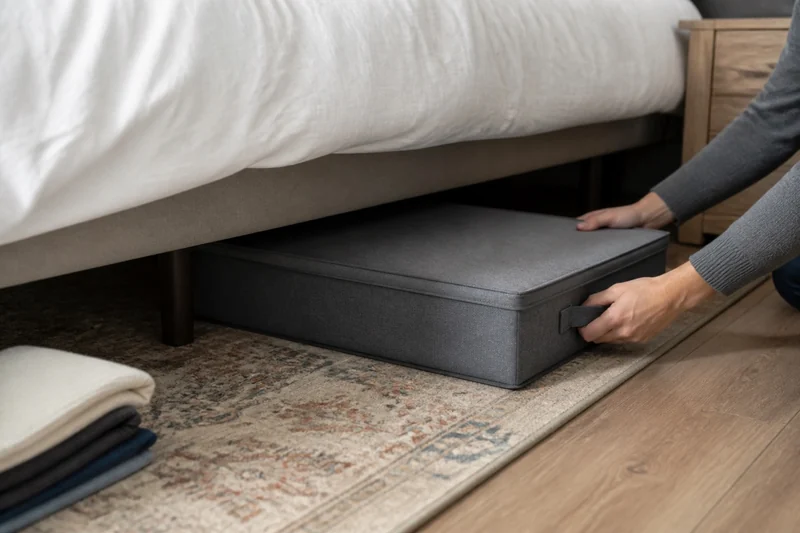
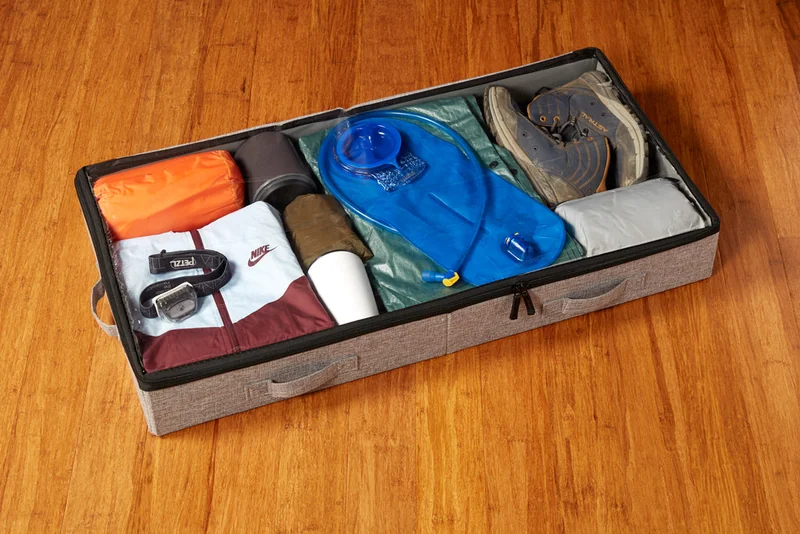
The exact StorageLAB height matters. Publisher destinations exposed both a taller sibling and the current 4.5-inch low-profile child. Every future card, image, and affiliate link must name the low-profile variant rather than letting the family name hide the difference.
The catch with each material
Soft-sided fabric
Fabric bags can fold when empty and flex around quilts or clothing. Their stated outer height may not describe a bowed top, overloaded zipper, or partially filled shape. They are not automatically dustproof, moisture-proof, pest-proof, or safe for every textile.
Rigid plastic
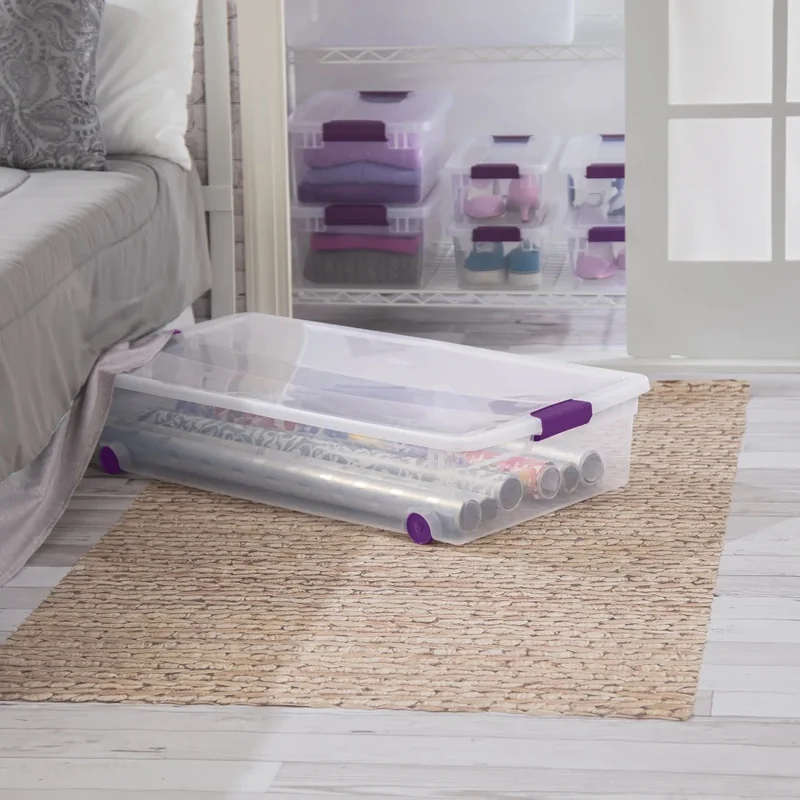
Rigid boxes keep a predictable shape and can protect contents from casual dust and crushing. They also waste any space their fixed shell cannot use. A large box can become too heavy to move, and wheels only help in the direction they roll on the real floor.
Drawers
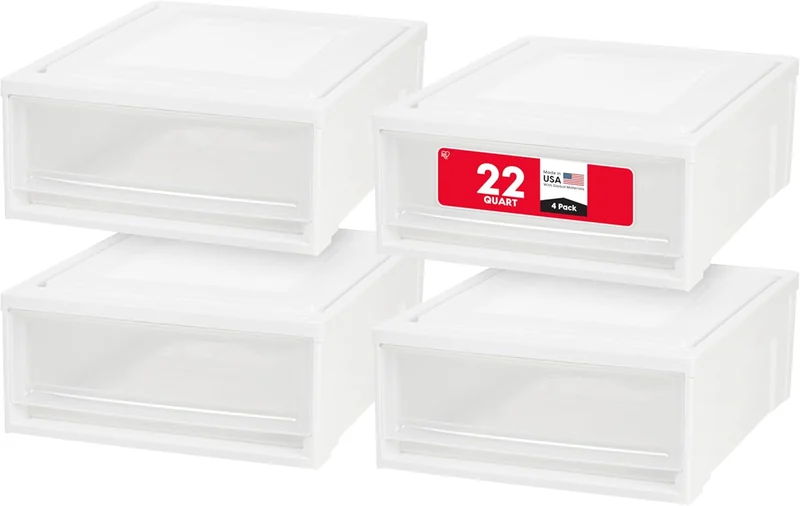
Drawers support frequent access because the container body can stay under the bed. They require an unobstructed opening path, stable stacking when applicable, and enough hand room to reach the contents. A drawer blocked by furniture is a bin with extra hardware.
Run a cardboard fit test before buying
Cut or fold cardboard to the option's exact length and width. Build the highest edge to the option's full outer height. Slide it into each planned position, turn it if required, and remove it through the path you will actually use. Add a temporary handle flap and test whether your hand clears the bed frame.
This free test can disprove fit, but it cannot prove wheel strength, zipper life, dust control, sag, smell, useful capacity, or loaded durability. Those remain hands-on questions.
Choose for clearance and how often you reach inside
Choose by the lowest clearance and exit path first. StorageLAB is the exact 4.5-inch soft-sided low-clearance research option, not a current publisher winner. Sterilite model 1761 is the wheeled rigid research option when its full seven-inch height and case-pack identity fit. The IRIS 22-quart 4-pack is the frequent-access drawer option. The measurement can reject a bad fit; only comparable use can establish performance.