
Match the organizer to the real constraint
This is a load-and-space comparison, not a first-to-second ranking. The two products were not tested side by side by Digital Derek.
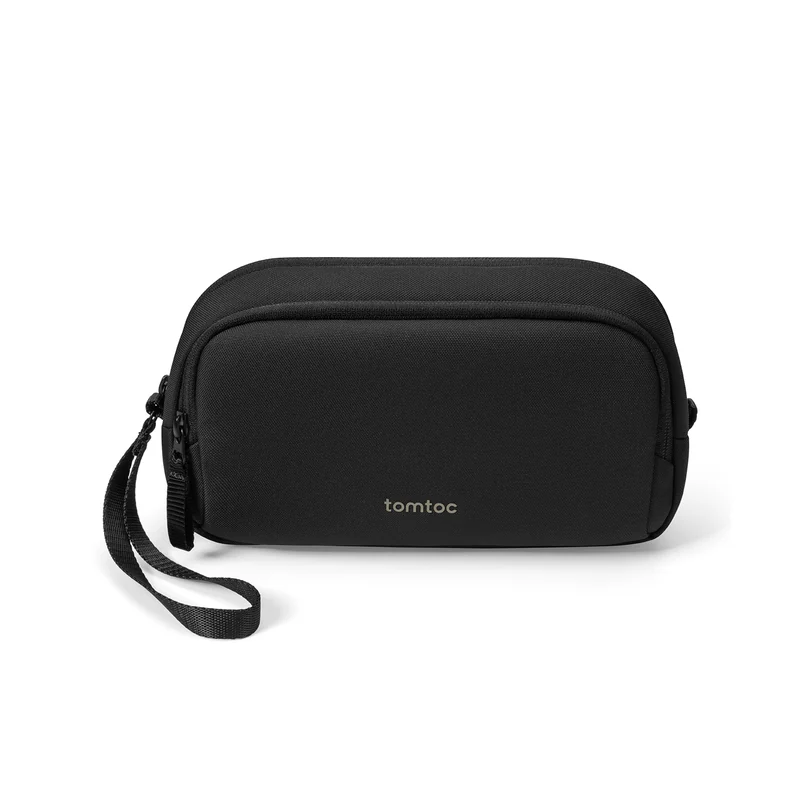
Why tomtoc is the flexible value option
Pack Hacker names the exact Light-T12 Medium its current best-value tech pouch after using the products in its panel for at least two weeks. It describes this model as structured enough to stand, flexible enough to compress, and roomy for everyday accessories. It also reports the important limit: over-ear headphones do not fit.
tomtoc maintains the exact Medium product identity and current official image. Use the published dimensions to lay out your charger and cables, then allow room for the loaded pouch inside your bag.
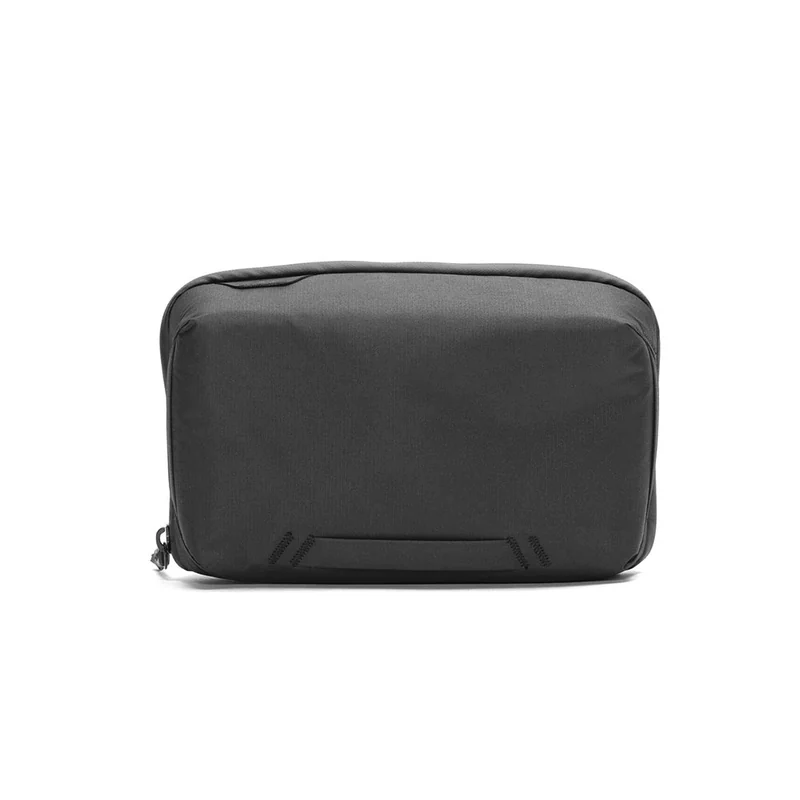
Why Peak Design is the structured benchmark
Pack Hacker includes the Peak Design Tech Pouch in its tested comparison set.
Peak Design maintains the exact Regular, Black product identity and official image. The structured layout can help separate a more complex load, but structure is not free: it keeps its shape when the bag around it needs to flex. That tradeoff is why this page treats it as a capacity-and-visibility benchmark, not a universal upgrade.
Run the paper-footprint test first
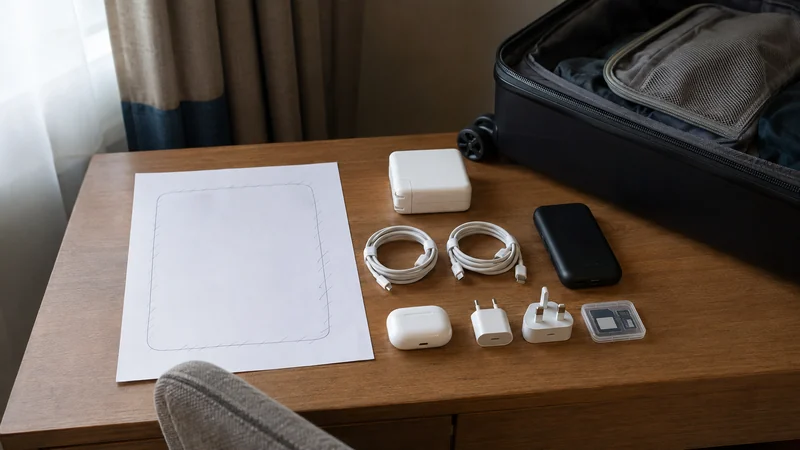
Before buying, place every travel-tech item you expect to carry on a sheet of paper.
- Include the exact charging bricks, cables, power bank, adapters, earbuds, memory cards, and small tools that will travel.
- Remove duplicate cables and anything already supplied at the destination.
- Secure each remaining cable with a reusable tie.
- Arrange the load in one layer, then fold the paper around it to estimate the smallest practical footprint.
- Put that paper footprint in the real carry-on after clothes and toiletries are packed. Check the route in and out, not only the empty-bag fit.
- Repack the load twice. If a simple pouch you own remains easy to use, keep it.
This test can reveal the right capacity option or eliminate the purchase. It cannot prove zipper life, weather resistance, padding, seam strength, or long-term comfort.
The details that change the decision
Charger volume beats cable count
Ten thin cables may occupy less room than two large charging bricks. Compare the loaded three-dimensional shape, not the number of loops or pockets shown in a product photo.
Access order matters
Items used during transit should not sit beneath equipment needed only at the hotel. Put the passport, medication, and other higher-priority items in their appropriate dedicated locations instead of forcing every small object into one tech pouch.
Bag geometry decides whether structure helps
A structured pouch can protect an organized layout and stand on a desk, but it can also fight a curved backpack panel, wheel housing, or already-packed carry-on. A softer pouch gives up some internal separation to fit around the rest of the load.
Repacking is part of the product job
A pouch that looks organized at home can become frustrating when a charger has to be returned quickly at an airport or hotel. Test the actual remove-use-return sequence while the main bag is packed.
Choose the pouch that fits your actual kit
Start with tomtoc when the measured load is modest and flexible packing space matters. Start with Peak Design when larger accessories and visible separation justify a heavier, more structured footprint. Buy neither when cable ties and a pouch you already own pass the packed-bag test.
For the desk version of the same problem, compare desk cable-management kits by failure mode. For the rest of the suitcase, separate organization from compression in the packing-cube comparison.
Choosing a pouch as a gift? Our gifts for frequent travelers guide matches organizers and other small upgrades to the way they pack.